
How to Check Criminal History in Hamden
A complete Hamden records check follows the event from its source. Use the Connecticut Criminal and Motor Vehicle Case Look-up for public pending cases, convictions, daily dockets, and docket-number searches. Ask Hamden Police for its incident or arrest file. Use the State Police Bureau of Identification for an official Connecticut conviction-history product, and search the Department of Correction when the question is present state custody.
Gather the full name, spelling variants, date of birth, incident number, docket number, arrest date, and location when known. A docket number is safer than a name alone. Similar names can create a false match, while partial details can miss the right case.
- Search the Judicial Branch pending and conviction paths, choosing the docket-number route when possible.
- Confirm the defendant, case location, charge status, and dates against known facts.
- Request the underlying incident or arrest material from the agency named on the paperwork.
- Check DOC for current custody and SPBI when an official state conviction history is needed.
- Order public or certified case documents from the clerk shown on the docket.
The official court entry point is pictured from its Judicial Branch source.
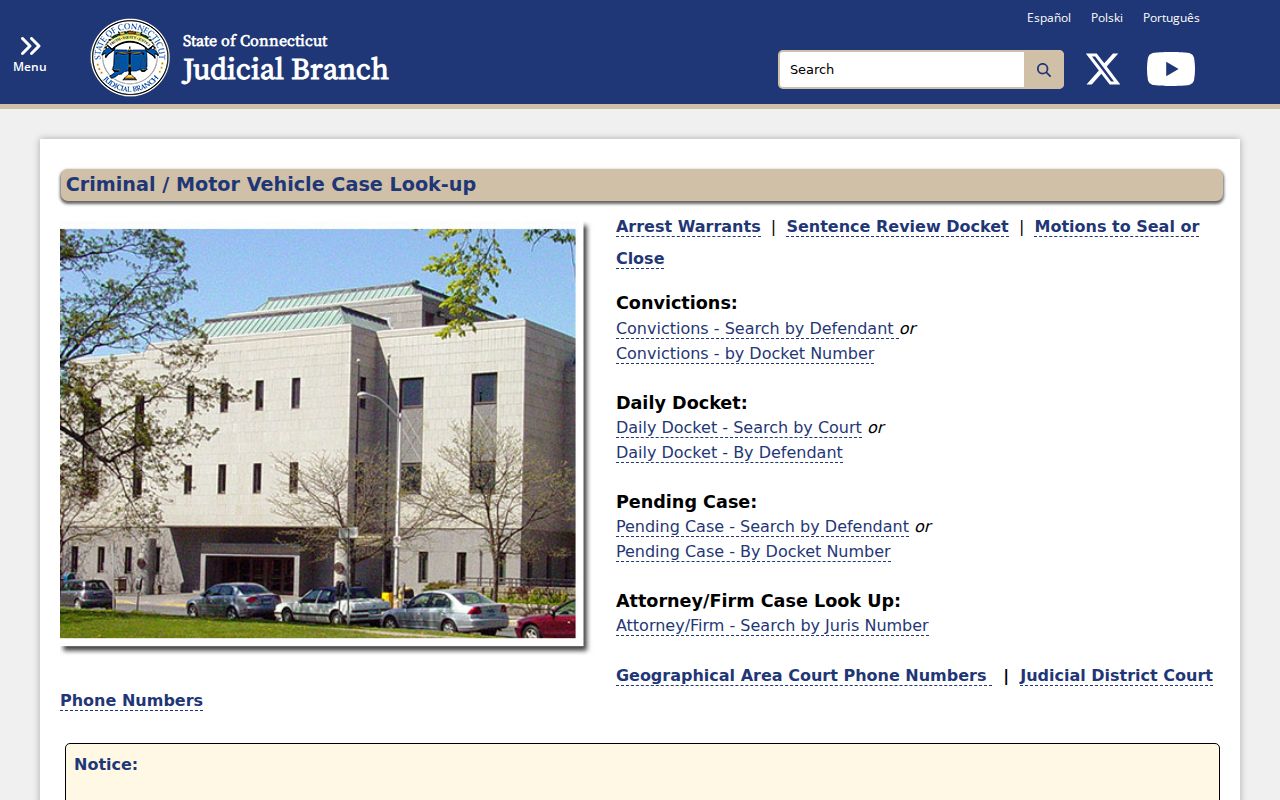
Its separate search families show why a daily docket is not the same as a conviction history.
No Hamden County Sheriff Search
Hamden is a town, and Connecticut has no operating county government that keeps a local sheriff roster or county criminal court database. Hamden Police creates town incident, arrest, detention, dispatch, and booking records. Connecticut Superior Court keeps criminal case files. The statewide SPBI repository compiles reported Connecticut criminal history, while DOC controls the custody locator. Searching for a New Haven County sheriff or “Hamden County Court” sends the request to an office that does not exist.
Hamden Police Headquarters is at 2900 Dixwell Avenue, Hamden, CT 06518, and its main number is 203-230-4000. Records and Detention sit within the department's Support Services structure. Court Liaison, communications, detectives, evidence, and professional standards hold different operational material, so a focused request should name the exact record.
The official Hamden Police page is the source for the local agency image below.
Use the police channel for town reports, not for a statewide “no record” certificate.
Official Connecticut Background Checks
The Connecticut Department of Emergency Services and Public Protection, through SPBI, provides the official state channel. Published materials distinguish a $36 response stating whether a Connecticut record exists from a $75 copy of Connecticut conviction history when a record exists. A fingerprint-supported Connecticut search is published at $75, plus capture costs. DESPP lists fingerprinting at $15 per card. Confirm the live CCHRS service total before paying because service codes and federal pass-through charges can differ.
Name and date-of-birth matching can associate the wrong person. For review of one's own identity-linked record, fingerprint-supported matching is stronger. Pre-enroll, keep the barcode, follow the capture directions, bring the required identification, and submit through the service path provided. SPBI says non-fingerprint requests are mailed and does not accept email, fax, or counter drop-off for those history services.
| Official Service | Published Amount | What It Provides |
|---|---|---|
| Record-existence response | $36 | States whether a Connecticut record exists |
| Conviction-history copy | $75 | Connecticut conviction history if a record exists |
| Fingerprint-supported state history | $75 | Identity-linked Connecticut search |
| DESPP fingerprint card | $15 | Fingerprint capture; confirm appointment and total |
The SPBI records page supplies the official service overview.
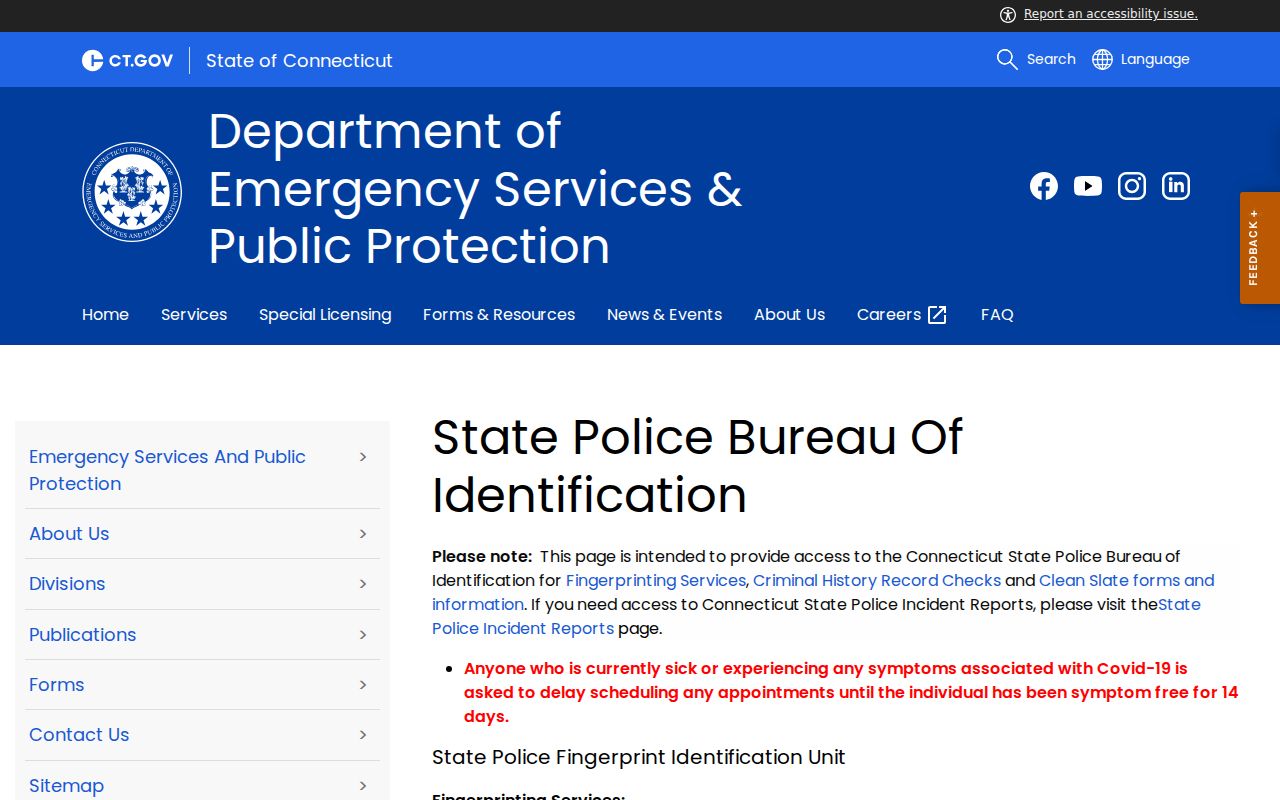
SPBI history is not a Hamden police narrative or a permanent copy of every court screen.
CCHRS Name and Fingerprint Paths
The CCHRS pre-enrollment portal starts many official requests with a service code and barcode. Do not mistake the registered-agency interface for an anonymous public people search. Its documented Name DOB Check workflow requires an account, requester profile, subject name and birth date, review, payment, transaction confirmation, and result retrieval. Individuals and pardon applicants must use the service path assigned to their purpose.
| Stage | Core Fields | Access Point |
|---|---|---|
| Pre-enrollment | Service selection and applicant details | Produces the correct next steps and barcode |
| Requester | Name, address, city, state, ZIP, phone | Registered account workflow |
| Subject | Last name, first name, date of birth | Name/DOB matching |
| Confirmation | Transaction number | Save it for result tracking |
The official pre-enrollment screen appears below from the CCHRS source.
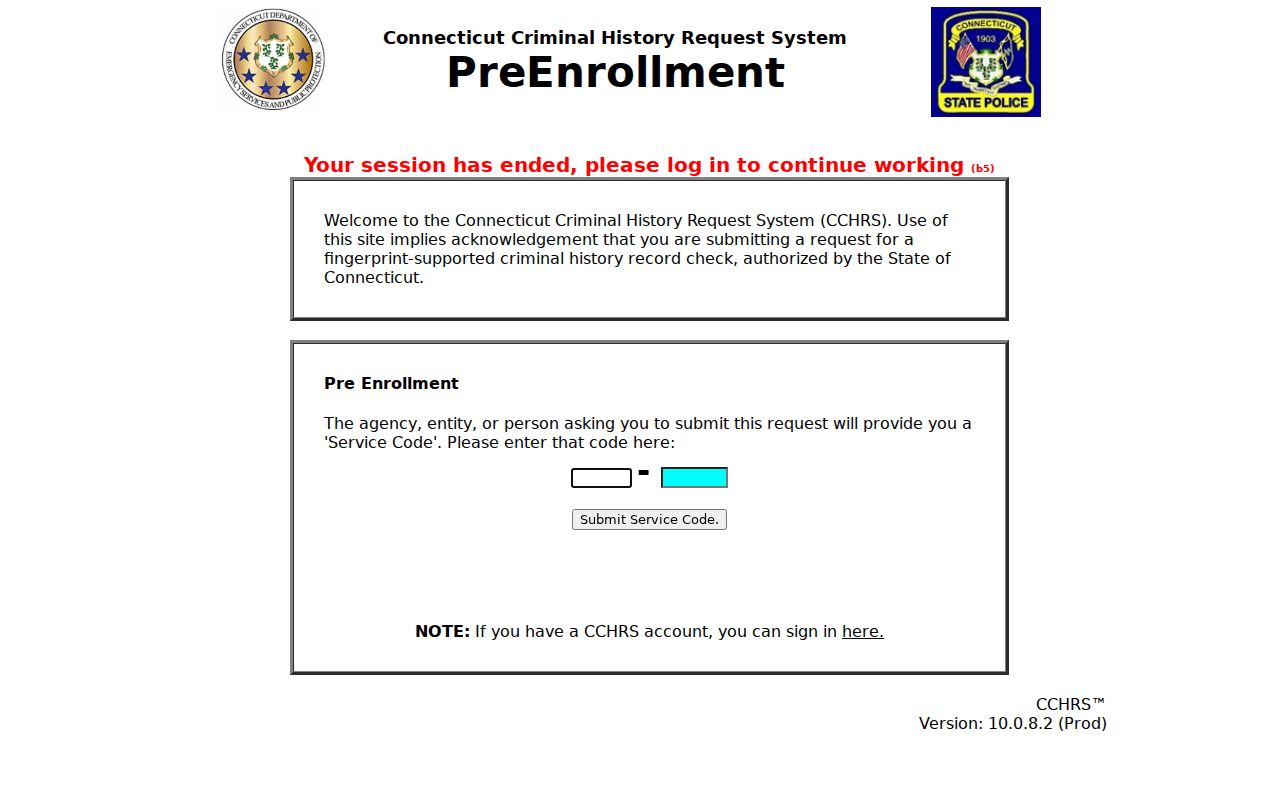
The correct service code matters because it controls the lawful product and fingerprint instructions.
Types of Criminal Records in Hamden
One Hamden event may generate several records. They should not be merged as though they were one report. The arresting agency records the event and custody. A prosecutor decides the filed charge. Superior Court records hearings and outcomes. SPBI receives identity and disposition data. DOC opens a separate custody record if the person enters state custody.
- Incident and arrest files: Hamden Police allegations, observations, probable cause, and officer identifiers.
- Booking records: intake, identity, charge, bond, property, and release or transfer data.
- Court records: prosecuted charges, docket events, pleas, disposition, and sentence.
- Repository history: SPBI's identity-centered Connecticut compilation and public conviction products.
- Custody and supervision: DOC accused or sentenced status, plus separate probation and parole systems.
- Warrant and registry records: limited-purpose public systems that are not full criminal histories.
The Connecticut Sex Offender Registry answers only the statutory registration question. Search it through the official DESPP public-safety service by name or location, and use NSOPW for a cross-state check. Absence is not a general safety certification. Registry data may not be used to threaten, harass, intimidate, discriminate unlawfully, or support vigilantism.
Start with the agency named on the citation, arrest form, or docket. A Quinnipiac University campus event may begin with campus public safety, a state-road event may involve Connecticut State Police, and a routine town event generally begins with Hamden Police.
From Hamden Detention to DOC
Hamden operates a municipal lockup, not a county jail with an online roster. Booking can include a detainee search, property inventory, health and safety intake, identity work, fingerprints, a photograph, charge entry, bond instructions, and a case-numbered arrest packet. Sensitive medical and suicide-risk fields should not be assumed public. A person may be released locally, brought to court, or transferred into Connecticut's unified DOC system.
The CT DOC Offender Information Search accepts a DOC number or a name and date-of-birth path. It can show accused as well as sentenced status, so a custody hit is not proof of conviction. The locator updates daily but status can change fast. Youthful Offender and ICE-only custody are excluded.
The official DOC search interface is shown from the state locator source.
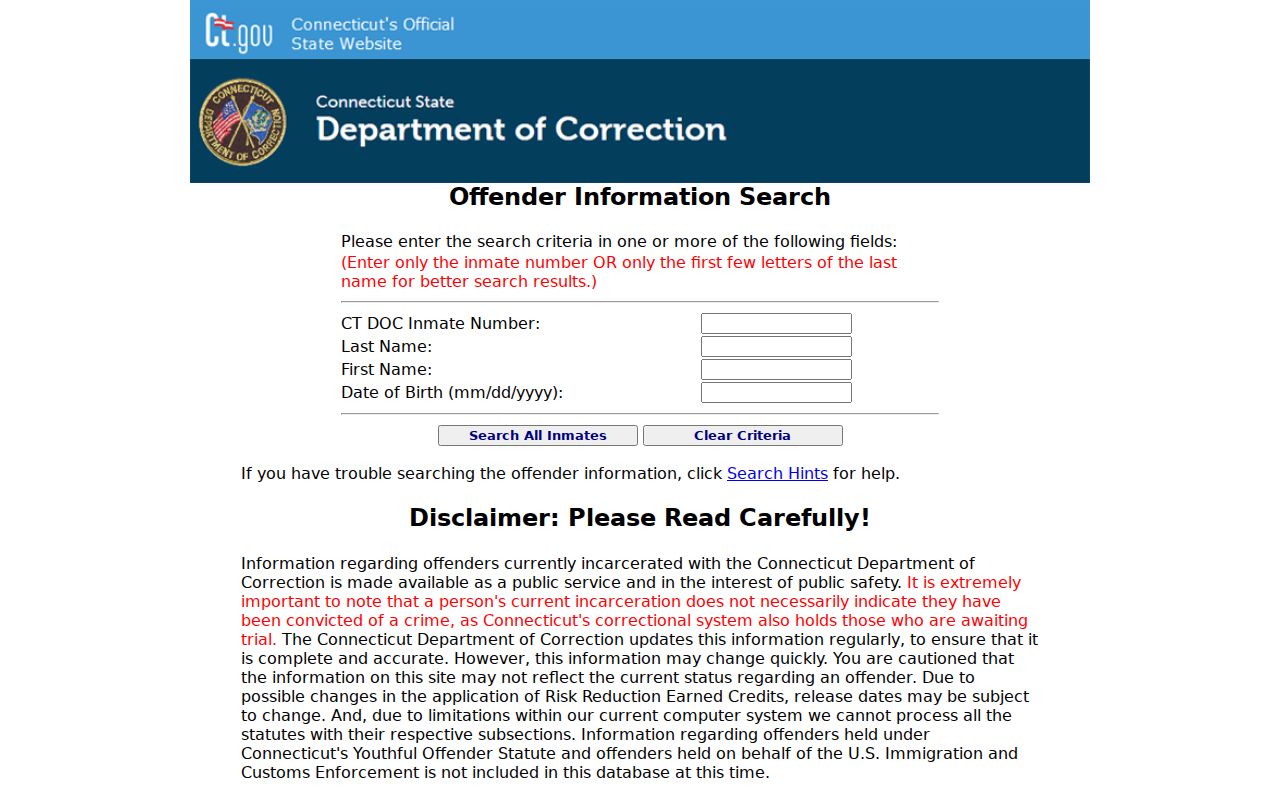
For a recent arrest, call Hamden Police first, then check DOC, pending court cases, and the daily docket.
What a Hamden Criminal Record Shows
The fields depend on the custodian. A police file centers on an incident number, time, place, narrative, people, property, officer, and supplements. A court record centers on docket number, location, charge, status, plea, result, sentence, bond, and scheduled events. SPBI links reported event cycles to identity. DOC may show custody status, controlling offense, facility, admission, sentence, and estimated release data.
| Name and Identifiers | Legal name, aliases, birth data, state or FBI numbers, and fingerprint transaction identifiers where authorized. |
|---|---|
| Arrest and Booking | Agency, date, place, arrest charge, intake, bond, and release or transfer. |
| Charges and Statutes | Alleged arrest offenses or the distinct charges filed in court. |
| Disposition | Conviction, dismissal, acquittal, nolle, diversion, or other result by count. |
| Sentence | Incarceration, suspended execution, probation, fine, and special parole where public. |
| Custody or Supervision | Accused or sentenced status, location, release data, probation, or parole at the proper agency. |
Never join same-name results without another identifier. Data can arrive at each system on a different schedule.
Police Report or Court File?
Ask Hamden Police for the event as officers recorded it. Name the incident report, arrest report, CAD or dispatch log, 911 audio, photograph, body-camera recording, booking material, or other specific item. Those are separate records and may require different review, redaction, media, and cost work. A request for “the police report” may not include every related file.
Ask the Superior Court clerk for pleadings, public motions, docket events, the disposition, or a certified copy. Hamden cases usually begin at G.A. 7 in Meriden, while serious Part A cases may sit in the New Haven Judicial District. The current docket location is the best routing fact. For a record check that asks whether a Connecticut conviction exists, use SPBI rather than either local office.
- Arrest charge
- The offense alleged when police take a person into custody.
- Filed charge
- The offense a prosecutor pursues in Superior Court.
- Disposition
- The court result for a charge.
- Erasure
- Connecticut's statutory removal and nonacknowledgment process for qualifying records.
Public Access Laws for Hamden Records
The Connecticut Freedom of Information Act supports prompt access to nonexempt public records. It does not make every police field open or override court seals. Active enforcement concerns, protected witnesses and victims, juvenile records, erased matters, and personal identifiers may be withheld or redacted. Ask for reasonably segregable public portions and the legal basis for any denial.
Key Connecticut rules:
CGS §1-210 creates the general public-record presumption and exemptions.
CGS §1-215 defines the core public arrest record.
CGS §§54-142a, 54-142k and 54-142l govern erasure, dissemination, and accuracy challenges.
CGS §46b-124 generally protects juvenile records.
Practice Book §7-13 helps set criminal-file retention and public-display limits.
Hamden's FOI page says town records are open for inspection or copying for a fee, but it does not publish a police-specific fixed amount or guaranteed turnaround. Call Records at 203-230-4000 and seek an estimate for large media or redaction work.
Hamden Warrants Need Two Checks
The Judicial Branch criminal lookup links public arrest-warrant and violation-of-probation warrant resources. Those pages are useful, but they are not guaranteed to reveal every active, sealed, new, juvenile, federal, or law-enforcement-sensitive warrant. A blank name result is not clearance. Bench warrants can arise from a missed court duty, while search warrants often stay sealed during an investigation.
For one's own concern, identify the clerk attached to a known case and seek legal advice before appearing. Hamden Police can explain its procedures but may execute an active warrant. After a warrant is resolved, allow time for systems to update and obtain a clerk record showing the court action. This two-channel method is safer than treating a public list as complete.
Sealed, Erased, and Restricted Records
Connecticut erasure is more than removing a web page. For a qualifying matter, agencies may be required not to disclose or even acknowledge the record. Dismissals, acquittals, nolles after the statutory period, pardons, and eligible Clean Slate convictions can follow different erasure paths. Juvenile and youthful-offender records have separate confidentiality rules. A sealed filing still exists under restricted access; an erased record is subject to statutory nonacknowledgment.
Clean Slate eligibility depends on the offense, completion of the sentence, waiting period, and exclusions. JD-CR-202 serves eligible pre-2000 convictions and is filed at the sentencing court, one case per sworn form. An Absolute Pardon through the Board of Pardons and Paroles is separate from a dismissal or nolle.
The official BOPP source is pictured below.
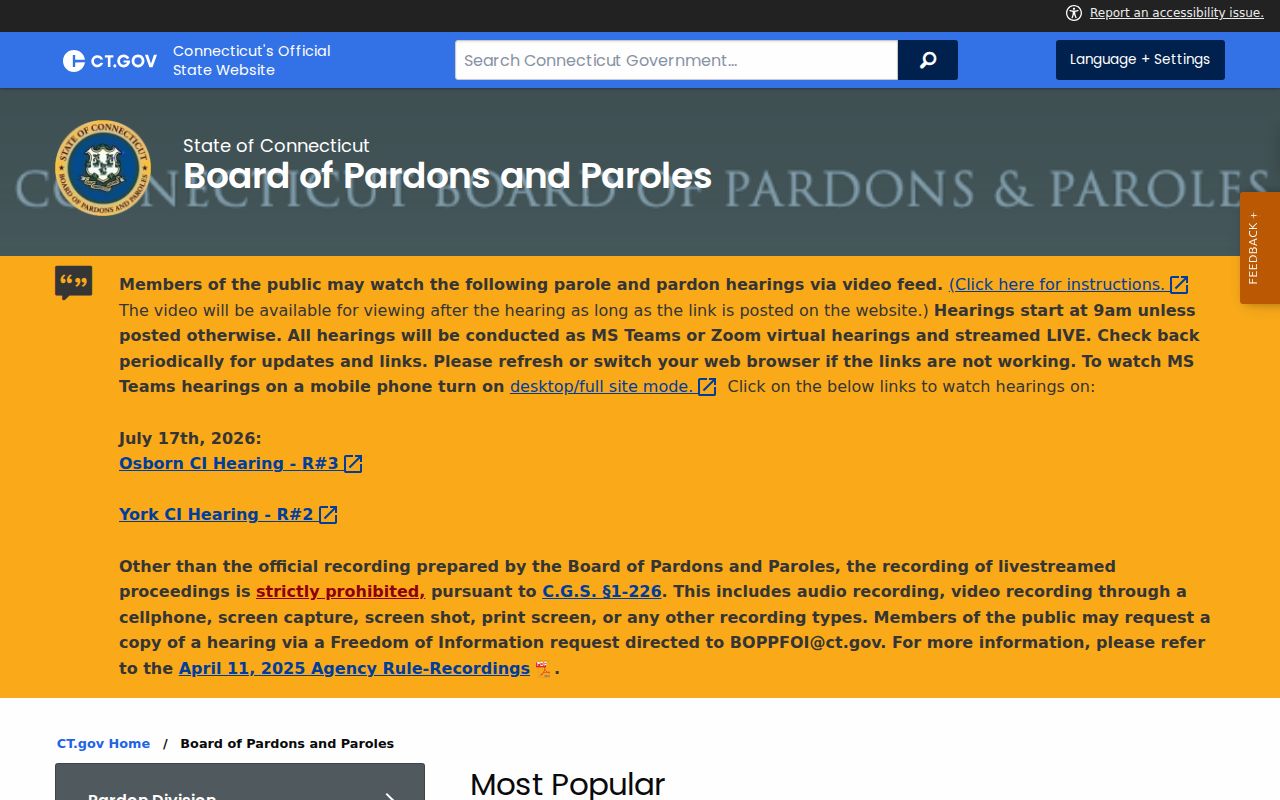
BOPP handles pardons and parole decisions, while DOC handles community supervision and the courts control case erasure records.
When Erased Hamden Cases Appear
A person who believes an eligible case still appears should first obtain their own current SPBI history and the lawful court information. Save the discrepancy, identify the docket and sentencing court, and use the official correction or Clean Slate hearing process under CGS §§54-142a and 54-142l. Do not repost the disputed record while seeking correction. A stale cache or private screenshot does not override the official custodian.
The Connecticut Clean Slate eligibility page is the official starting point.
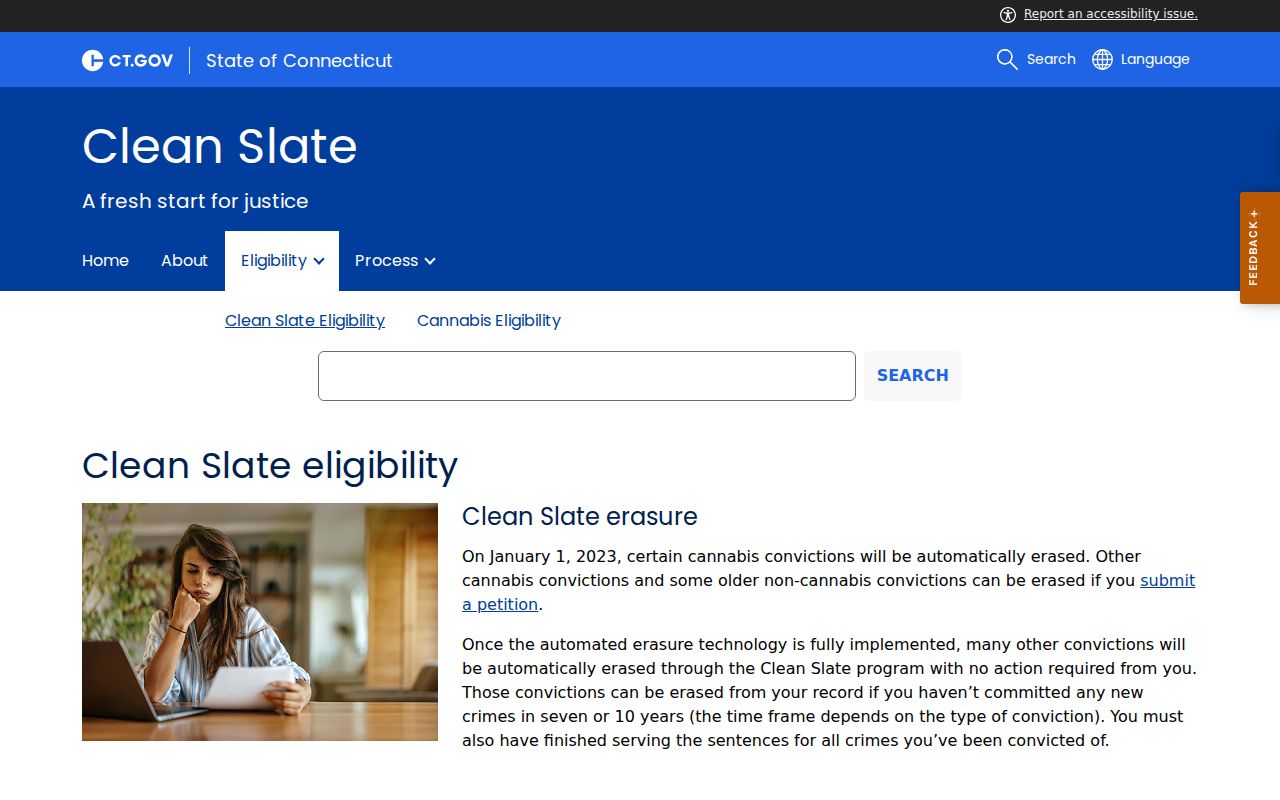
Eligibility guidance should be paired with the current court and SPBI record because implementation corrections can affect what appears.
Federal Records Beyond Hamden Searches
Connecticut court and SPBI searches do not rule out a federal case. The U.S. District Court for the District of Connecticut hears federal criminal matters arising in Hamden. PACER requires registration and charges under its current electronic-access schedule. Search by party or case number, confirm the district, and inspect docket entries. Sealed filings, grand-jury material, and protected identifiers remain unavailable.
The official PACER source appears below.
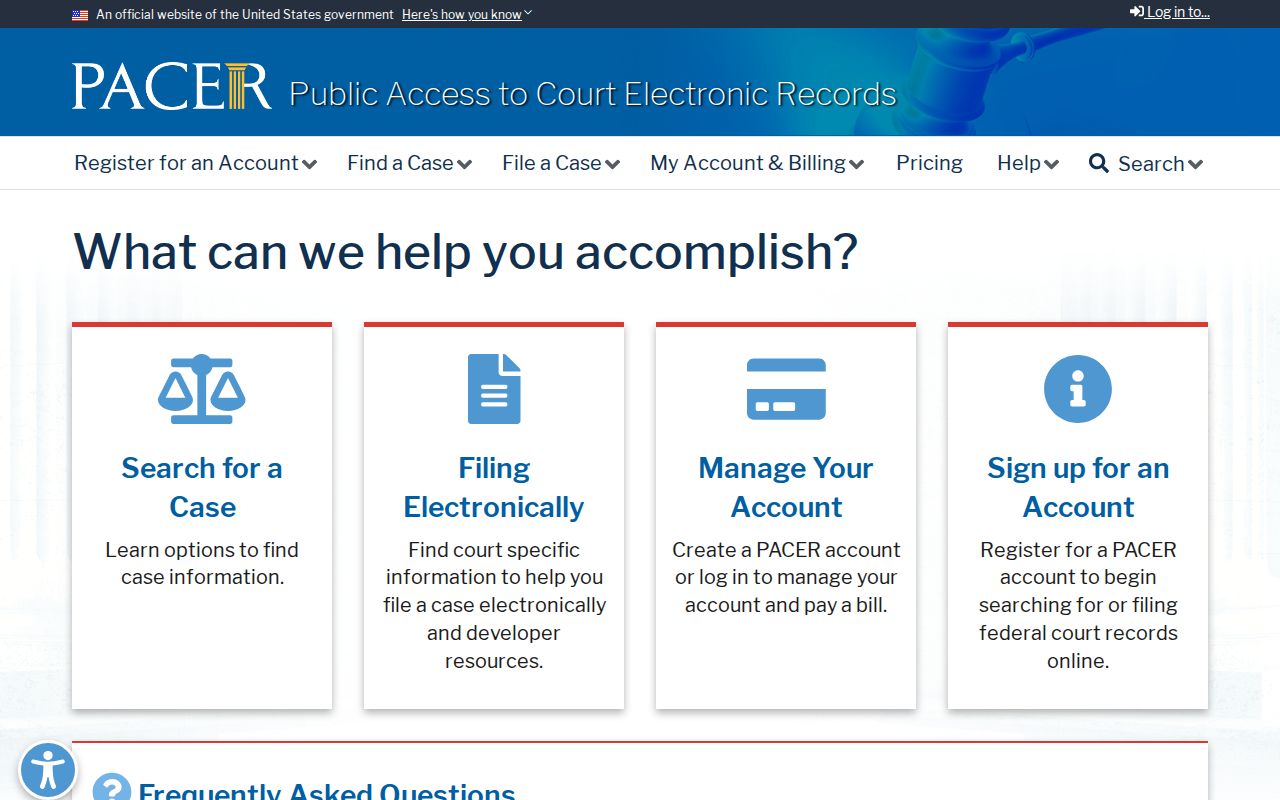
PACER covers federal dockets, not Connecticut Superior Court files or Hamden police reports.
For one's own FBI-maintained history, use the subject-only FBI Electronic Departmental Order portal and submit fingerprints as directed.
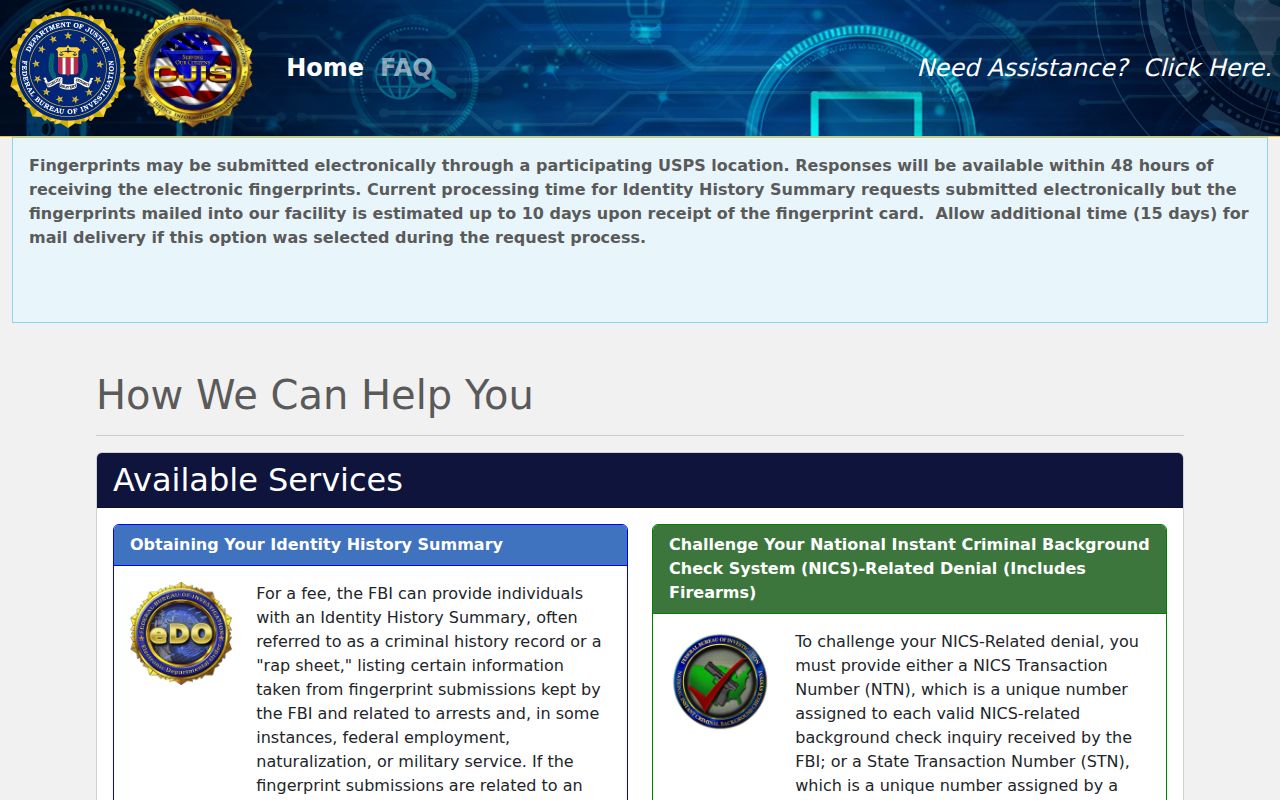
An FBI Identity History Summary is distinct from a state docket and an SPBI Connecticut history.
Federal custody uses the Bureau of Prisons Inmate Locator.
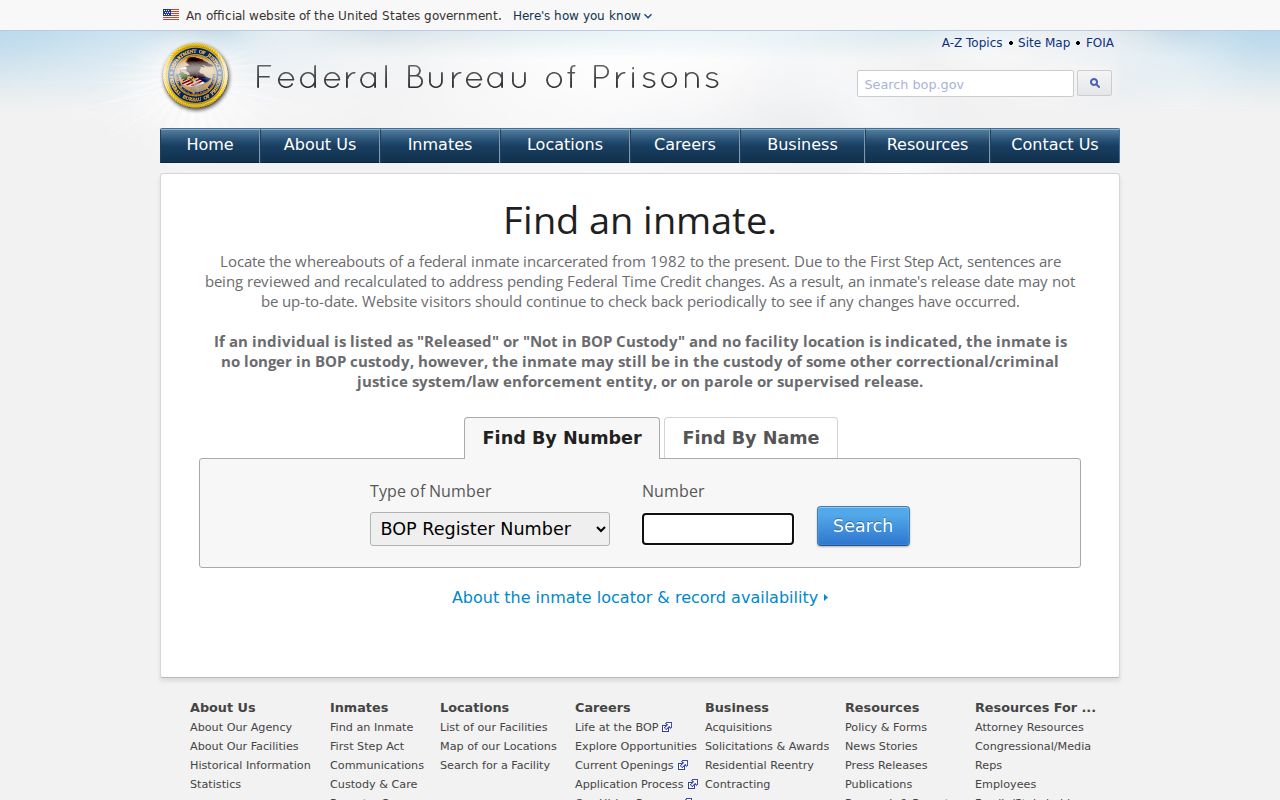
A missing BOP result does not exclude release, pretrial detention elsewhere, or a federal case without BOP custody.
Criminal Records by City in Hamden
The county-template's three-city model does not fit Connecticut's local structure or this town-only project. Hamden is the sole municipal guide. It explains the police request channel, local detention, campus and state-agency overlaps, Superior Court routing, and the state systems that receive Hamden records. New Haven, Meriden, and West Haven are not substituted as extra city pages because that would leave the assigned town scope.
Hamden Criminal History
Hamden Police records, G.A. 7 court routing, DOC custody, and statewide history channels.
Hamden Police Headquarters and Government Center sit close together on Dixwell Avenue, but they are not interchangeable custodians. A police incident request belongs with Police Records. A broader town administrative record may belong at Government Center. The actual agency shown on the original paperwork remains the best clue.